How Is Expanded Sheet Metal Made
Views: 0 Author: Site Editor Publish Time: 2025-09-09 Origin: Site


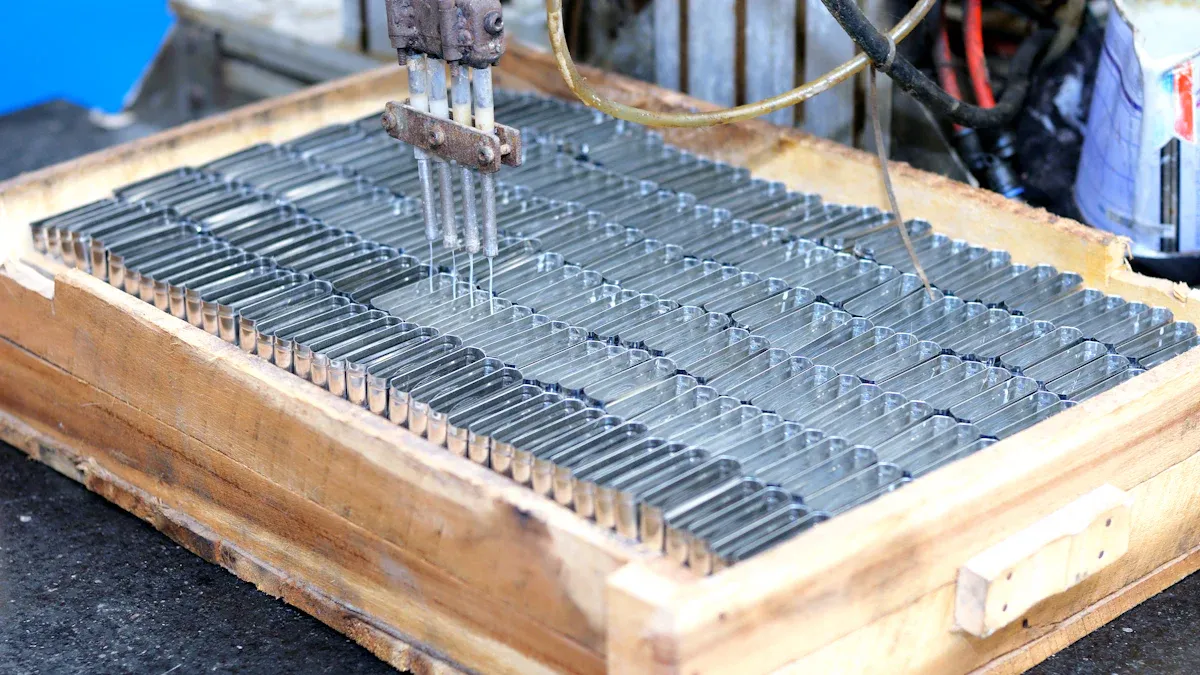
You make expanded sheet metal by putting a metal sheet into a special machine. The machine cuts and pulls the sheet at the same time. This makes a mesh with diamond-shaped holes. People use this material for fencing, walkways, grating, and security screens.
Application | Market Size (2024) | Estimated Growth (2033) | CAGR (2026-2033) |
|---|---|---|---|
Fencing | USD 12.5 billion | USD 20.3 billion | 6.5% |
Walkways | |||
Grating | |||
Security Screens |
Knowing how this process works helps you pick the right type for your project.
Key Takeaways
Expanded sheet metal is made by cutting and stretching metal. This makes a light mesh with diamond-shaped holes. The process is quick and does not waste much metal.
Picking the right metal is very important. Steel, aluminum, stainless steel, copper, and titanium are all different. Each metal works best for certain uses.
Making expanded metal has a few steps. First, workers get the sheet ready. Then, they cut and stretch it. Sometimes, they flatten it to make it smoother.
Expanded metal is strong and lasts a long time. It is good for walkways, fences, and decorations. The holes let air and light pass through.
Using expanded sheet metal can save money and time. It needs less metal and is faster to make. This makes it a smart choice for many jobs.
Materials for Expanded Sheet Metal
Common Metals Used
You can pick from many metals to make expanded metal. Each metal has special benefits for different jobs. The most common metals are:
Steel: You see steel used for walkways and security screens. Steel is strong and lasts a long time.
Aluminum: Aluminum is good for light jobs. It does not rust easily and is simple to use.
Stainless Steel: Stainless steel does not rust or get damaged by chemicals. You use it in tough places or for decoration.
Copper: Copper looks different and does not rust. People use copper for building designs.
Titanium: Titanium is strong but not heavy. It is used for special expanded metal in planes or medical tools.
When you check the mechanical and chemical features of these metals, you learn how they work. Here is a table with key features:
Property | Description |
|---|---|
Rigidity | Stops bending and keeps shape in building jobs. |
Corrosion resistance | Needed for metal that faces weather or chemicals. |
Strength | Needed for metal that holds weight or protects. |
Appearance | Matters for building and design panels. |
Specific weight | Changes how you move and use the metal. |
Toughness | Needed for metal that gets hit or stepped on. |
Flexibility | Needed for shaping metal into tricky forms. |
Elasticity | Needed when metal gets bent many times. |
Expanded metal made from these metals lasts long, needs little care, and stands up to heat and chemicals.
Material Selection Factors
You should think about a few things before picking metals for expanded metal. These things help you choose the best metal for your job.
How strong and bendable the metal is matters for safety and how well it works.
Saving money is important, especially for big projects.
The kind of metal and how hard the design is will change what you pick.
Tip: Different jobs need special metal features. For example, outdoor fences need metal that does not rust, but ceiling panels need metal that is light.
You must think about what your project needs, like if it faces weather or heavy things.
How you make the metal can change what you pick. Some metals work better for some mesh shapes.
Making expanded metal costs less than cutting it from a block. You use only what you need, so you do not waste metal. If you make a lot, each piece costs less, so expanded metal is good for making many items.
Expanded Metal Manufacturing Process
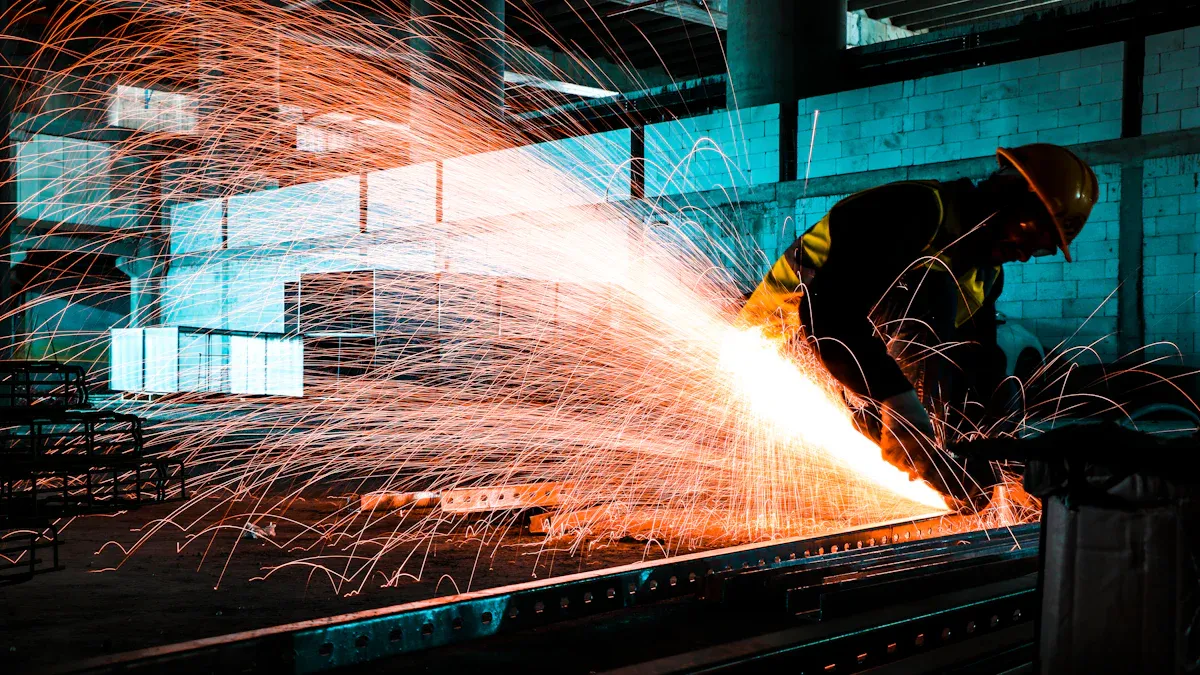
Sheet Preparation
You start the expanded metal manufacturing process by preparing the metal sheet. First, you select the right material for your project. You need to think about the strength, thickness, and type of metal. Clean the sheet so it has no dirt or oil. Make sure the sheet is flat and has the same thickness everywhere. This step helps you avoid problems later.
Here is a simple checklist for sheet preparation:
Choose the right metal for your needs.
Clean the sheet to remove dust and oil.
Check for dents or scratches.
Make sure the thickness is even.
Apply lubrication to reduce friction during the next steps.
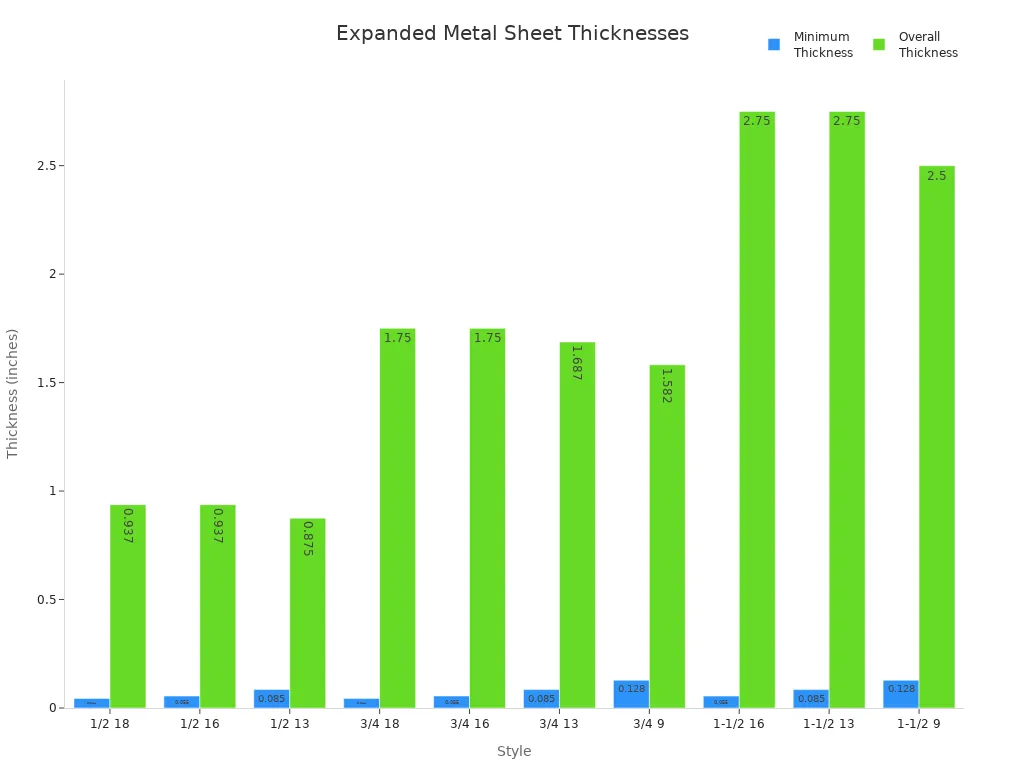
You can find many standard thicknesses and sizes for expanded metal. The table below shows some common styles and their features:
Style | Lbs. Per 100 sq. ft. | Design Sizes (Inches) | Opening Size (Inches) | Strand Size (Inches) | Overall Thickness (Inches) | Diamonds Per Ft. | Open Area % |
|---|---|---|---|---|---|---|---|
1/4 x #20 | 86 | .25 | 1.0 | .125 | .036 | 48 | 45 |
1/2 x #20 | 43 | .50 | 1.20 | .438 | .036 | 24 | 80 |
3/4 x #16 | 54 | .923 | 2.00 | .813 | .060 | 13 | 78 |
1-1/2 x #13 | 60 | 1.33 | 3.00 | 1.188 | .090 | 9 | 85 |
You can see that the thickness and open area change with each style. This helps you pick the best sheet for your expanded metal mesh.
Slitting and Stretching
Next, you move to the heart of the manufacturing process. You feed the prepared sheet into an expanding machine. This machine uses a special die to cut and stretch the metal at the same time. The die comes down and makes small cuts in the sheet. As it does this, it pulls the metal sideways. This action forms half-diamond shapes in the first stroke.
The machine then shifts the sheet forward by the width of one strand. The die comes down again and finishes the diamond shapes. This step-by-step movement repeats until the whole sheet turns into expanded metal.
Here is how the slitting and stretching process works:
Place the sheet in the expanding machine.
The die cuts and stretches the sheet in one motion.
The machine moves the sheet forward by one strand width.
The die repeats the cut and stretch, forming full diamonds.
The process continues until the sheet is fully expanded.
This method creates almost no waste. You get a strong, lightweight product that lets air, light, and fluids pass through.
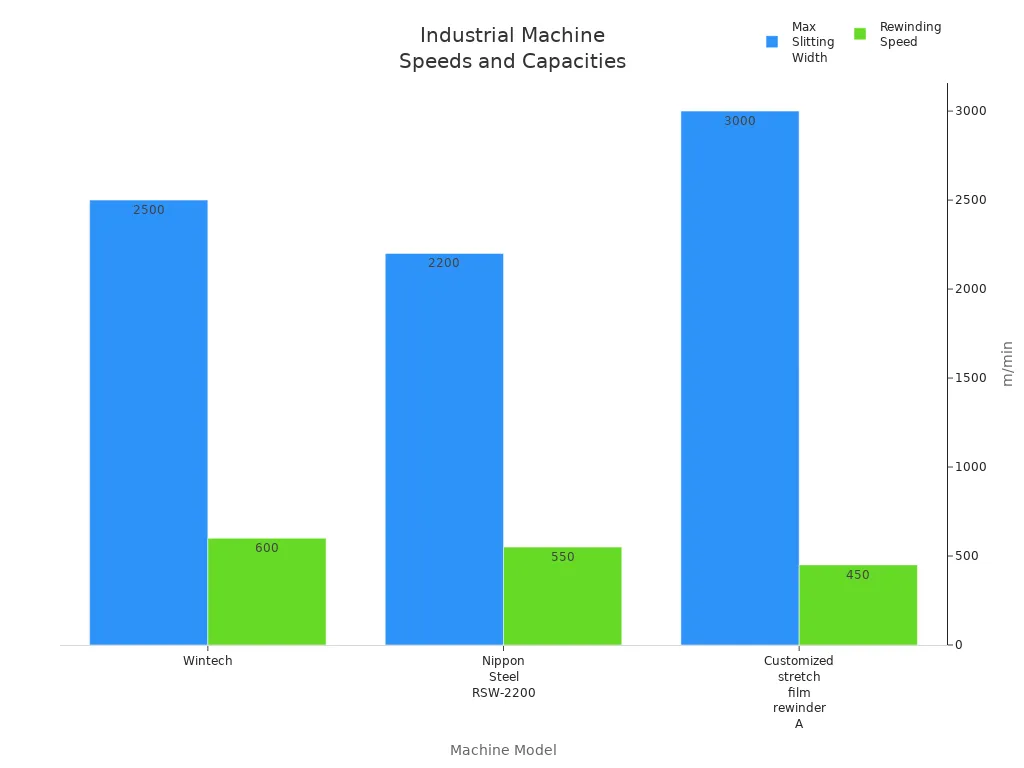
Industrial expanding machines can work very fast. Some machines can slit up to 2500mm wide and rewind at speeds up to 600 meters per minute.
Model | Maximum Slitting Width | Rewinding Speed |
|---|---|---|
Wintech | 2500mm | 600m/min |
Nippon Steel RSW-2200 | 2200mm | 550m/min |
Customized Rewinder A | 3000mm | 450m/min |
Mesh Formation
As you finish slitting and stretching, you see the expanded metal mesh take shape. The mesh forms a pattern of diamond-shaped holes. This pattern gives the expanded metal its strength and light weight. The size and shape of the diamonds depend on the die and the settings of the machine.
You can choose from different mesh sizes and shapes. Most expanded metal uses the standard diamond pattern, but you can also find hexagonal or custom shapes. The table below shows a typical diamond mesh:
Opening Type | Strand Width | LWD | SWD | Length | Width | BMT |
|---|---|---|---|---|---|---|
Standard Diamond Mesh | 1.55mm | 10.00mm | 5.50mm | 1200mm | 160mm | 0.55mm |
The diamond pattern makes the sheet up to 80% lighter than a solid sheet. The expanded metal mesh can also cover up to 12 times the area of the original sheet. The mesh’s strength depends on the size and direction of the diamonds.
Aspect | Description |
|---|---|
Geometric Structure | Diamond-like cell pattern formed through cutting and stretching. |
Material Properties | Increased strength, rigidity, and significant weight reduction (up to 80% lighter than solid sheets). |
Manufacturing | Cutting and stretching without loss of material, resulting in a larger area (up to 12 times). |
Flattening and Finishing
After you form the mesh, you may want to flatten the expanded metal. You do this by passing the sheet through a cold rolling mill. Cold rolling makes the sheet thinner and flatter. It also makes the surface smoother and the mesh more even. This step helps you get tighter tolerances and better surface quality.
Cold rolling reduces thickness.
It increases strength and hardness.
It improves flatness and surface finish.
You can also add special finishes to protect the expanded metal. Common finishes include:
Finishing Process | Description |
|---|---|
Galvanizing | Dipping in molten zinc to prevent rust. |
Powder Coating | Spraying powder for a tough, colorful finish. |
PVDF Coating | Spraying liquid for resistance to fading, stains, and UV rays. |
You should always check the finished expanded sheet metal for quality. Many products follow standards like ISO 9001 for quality, ISO 14001 for the environment, and ISO 45001 for safety.
Tip: Flattened expanded metal is best for projects that need a smooth surface, while standard expanded metal works well for grip and strength.
Types of Expanded Metal
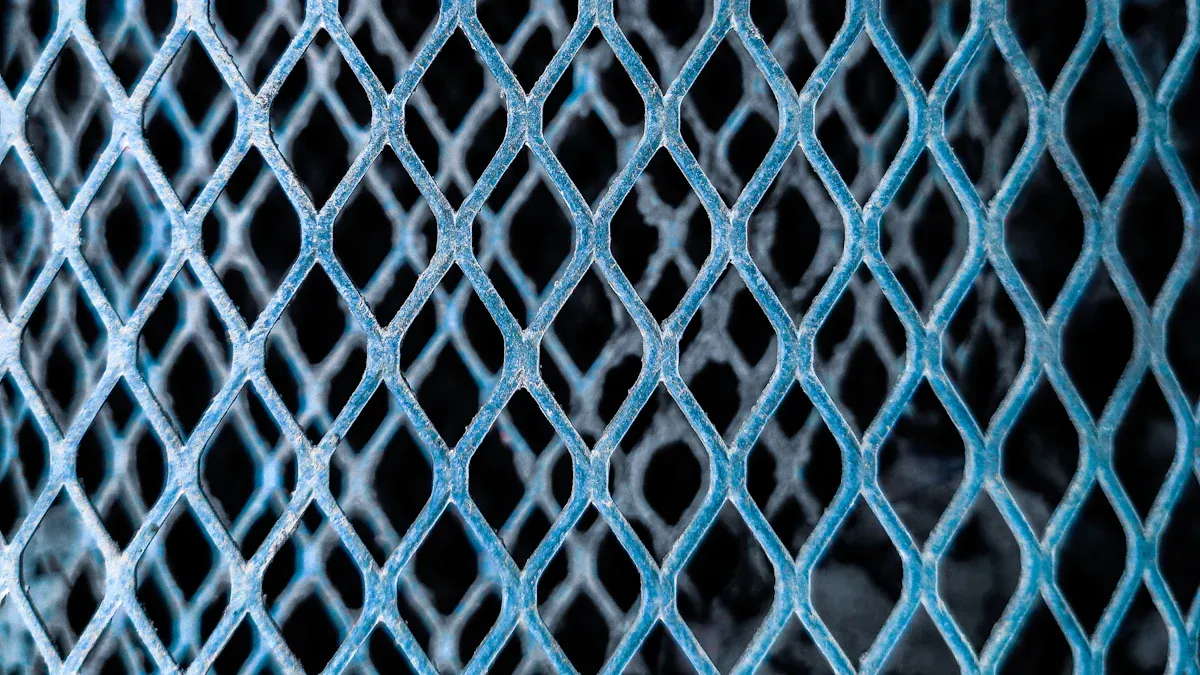
Expanded metal has different types. Each type is good for certain jobs. You pick the best type by looking at how it is made and what it does.
Standard Expanded Metal
Standard expanded metal is the most used type. It is made by cutting and stretching a metal sheet. The sheet is not flattened. This makes a bumpy, three-dimensional surface. The diamond holes make the mesh strong. This type is used for walkways, platforms, and fencing. It gives good grip and lets air move through.
Characteristic | Standard Expanded Metal | Flattened Expanded Metal |
|---|---|---|
Surface Texture | Textured, high grip | Smooth, flat |
Structure | Raised, load-bearing | Flatter, less grip |
Air Circulation | Excellent | Good |
Applications | Walkways, fencing, platforms | Fencing, ventilation |
Manufacturing Process | Cut and stretch only | Cold rolling after expanding |
Tip: Standard expanded metal is great when you need it to be strong and not slippery.
Flattened Expanded Metal
Flattened expanded metal is made from standard expanded metal. It goes through a cold rolling mill. This step makes the mesh flat and smooth. The surface is even, so it is easier to walk on. It is good for places where you want less friction. People use flattened expanded metal for fencing, screens, and vents.
Cold rolling makes the mesh flat and smooth.
The sheet gets wider and longer after flattening.
It is lighter and easy to use.
Specialty Types
Specialty expanded metal is made for special jobs. Here are some examples:
Expanded metal mesh: This type is light and looks nice. It is used for room dividers or sunrooms.
Expanded metal grating: This type is strong and not slippery. It is good for walkways and platforms.
Micro expanded metal: This type has tiny holes. It is best for filters and fine screens.
Type | Unique Features |
|---|---|
Expanded Metal Mesh | Decorative, lightweight, used in design projects |
Expanded Metal Grating | Heavy-duty, slip-resistant, supports heavy loads |
Micro Expanded Metal | Small openings, used for filtration and precision |
Expanded metal comes in many shapes and sizes. Each type helps you in a different way for your project.
Properties and Advantages of Expanded Sheet Metal
Strength and Durability
Expanded metal is very strong and lasts a long time. The way it is made joins the strands together tightly. This design helps it keep its shape and not break easily. Expanded sheet metal is stronger than perforated metal. It does not come apart like woven mesh. It also lets electricity flow well, so it works for electrical jobs.
Expanded metal holds its shape better than perforated metal.
The mesh pattern stays together, unlike woven mesh.
You can trust expanded metal to last a long time.
Expanded sheet metal is known for being tough. The process does not punch out pieces, so the sheet stays strong. You see this strength in walkways, fences, and building designs.
Versatility and Applications
Expanded metal is used in many fields because it fits many needs. The mesh lets you use it for safety, looks, and support. You see expanded sheet metal in building, factories, transport, and even art.
Industry | Common Applications |
|---|---|
Construction | Walkways, safety guards, architectural features |
Industrial | Machine guards, safety barriers, industrial flooring |
Filtration | Filters and screens |
Transportation | Vehicle flooring, luggage racks |
Decorative Uses | Sculptures, interior designs, facades |
The open spaces in expanded metal are important for each job. More open space lets air and light go through, which is good for vents and security screens. If you need more strength, you pick a mesh with smaller holes. You choose between airflow and safety for your project.
Efficiency and Cost Benefits
Using expanded sheet metal saves money and time. The way it is made uses almost all the metal, so there is little waste. You can spend up to 50% less on raw metal than with perforated metal. Expanded metal also helps you finish work faster because the design is simple.
You save a lot of money with expanded metal.
The process makes less waste and costs less.
The smart design keeps costs low and speeds up work.
Being efficient is very important in factories today. Lean manufacturing helps you work faster and make good products.
Expanded metal is also good for green building. Light materials lower the weight on buildings and save energy. You can recycle metals like aluminum, which saves up to 95% of the energy needed to make new metal. Expanded sheet metal is great for green projects, like green walls and energy-saving building fronts.
You make expanded sheet metal by following these steps:
Prepare the metal sheet.
Cut uniform slits.
Stretch the sheet to form mesh.
Flatten if needed.
Apply coatings or finishes.
Cut to size.
When you choose expanded metal, think about the material type, thickness, strength, and surface finish. Each factor affects strength, durability, and cost. Knowing these details helps you pick the best option for your project and ensures strong, long-lasting results.
FAQ
What is the main benefit of expanded sheet metal?
You get a strong, lightweight material that lets air, light, and fluids pass through. Expanded sheet metal also uses almost all the original sheet, so you waste less metal.
Can you paint or coat expanded sheet metal?
Yes, you can paint or coat expanded sheet metal. Common finishes include powder coating, galvanizing, and PVDF coating. These finishes help protect the metal from rust and improve its appearance.
Where do you see expanded sheet metal used most often?
You often see expanded sheet metal in construction and architecture. People use it for walkways, fences, grating, and building facades. It also works well for machine guards and screens.
How do you cut expanded sheet metal to size?
You can cut expanded sheet metal with tin snips, a power shear, or a band saw. Always wear gloves and safety glasses. The mesh edges can be sharp.
Is expanded sheet metal safe for outdoor use?
Yes, expanded sheet metal works well outdoors. Choose a metal with good corrosion resistance, like aluminum or stainless steel. Adding a protective coating helps the metal last longer in outdoor conditions.


