What Is The Difference between Perforated Sheet And Mesh
Views: 0 Author: Site Editor Publish Time: 2025-10-15 Origin: Site


In the world of materials, perforated sheets and mesh are often used interchangeably, but they serve distinct purposes. Understanding their differences is crucial for selecting the right material for your project. In this article, you'll learn about the unique characteristics, manufacturing processes, and applications of perforated sheets and mesh.
Manufacturing Process
How perforated sheets are made
Perforated sheets start as solid metal plates. They go through a punching machine that creates holes in specific patterns. These holes can be round, square, or custom shapes. The machine punches out holes in rows or staggered layouts, depending on the design. Usually, the sheet keeps an unpunched border around the edges to maintain stability. The punched-out metal pieces become scrap but can be recycled. Larger holes or more holes mean more scrap and higher costs. This process allows for precise hole sizes and patterns, making perforated sheets highly customizable.
How wire mesh is produced
Wire mesh comes in two main types: welded and woven. Welded wire mesh is made by arranging wires in parallel lines and welding them at the intersections. This forms a grid with fixed spacing. The welding uses electric fusion for strong, precise joints. Woven wire mesh looks like fabric, made by weaving wires over and under each other at right angles. The wires running lengthwise are warp wires, and those crossing them are weft wires. Woven mesh can have different weave patterns, such as plain or twill. Materials used include steel, stainless steel, brass, and copper. Wire mesh production focuses on controlling wire spacing and diameter for strength and flexibility.
Comparison of manufacturing techniques
Perforated sheets are made by punching holes in a solid sheet, which creates scrap metal and requires careful design to balance strength and open area. Wire mesh is created by joining wires either by welding or weaving, resulting in a flexible yet strong material. Perforated sheets offer more design freedom in hole shapes and sizes, but the punching process can weaken the sheet due to metal removal. Wire mesh maintains strength through its woven or welded structure but has less variety in hole shapes. Perforated sheets usually have a solid border for stability, while wire mesh often requires a frame for support. Production costs may vary depending on scrap, welding, and material complexity.
Note: Choosing between perforated sheets and wire mesh depends heavily on the required hole pattern, strength, and flexibility needed for your project.
Characteristics of Perforated Sheets
Material types and hole patterns
Perforated sheets come in many materials, including stainless steel, aluminum, mild steel, brass, and copper. This variety lets you pick the best metal for your project’s needs, whether you want corrosion resistance, strength, or cost-efficiency. The sheets have holes punched in different shapes: round, square, slotted, or even custom designs. Hole sizes range from tiny pinholes to large openings over three inches wide. Patterns can be arranged in straight rows, staggered layouts, or decorative motifs. This flexibility lets you control airflow, light passage, or filtration precisely.
Strength and durability
Perforated sheets maintain good strength because they start as solid metal plates. However, punching holes removes material, which can weaken the sheet depending on hole size and spacing. To keep durability, manufacturers often leave an unpunched border around edges. The metal type and thickness also affect strength. For example, a thick stainless steel sheet with small holes will be tougher than a thin aluminum sheet with large holes. Perforated sheets resist wear and corrosion well, especially when made from stainless steel or coated metals, making them suitable for harsh environments.
Applications in various industries
Perforated sheets serve many industries due to their versatility. In construction, they act as sunshades, ventilation panels, or decorative facades. In manufacturing, they filter liquids, separate materials, or protect machinery. The food industry uses them for screens, trays, and strainers. Acoustic panels in auditoriums often feature perforated metal to absorb sound. Even furniture and lighting designs benefit from their aesthetic appeal. Their ability to combine function and style makes perforated sheets popular for both practical and decorative uses.
Characteristics of Wire Mesh
Different types of wire mesh
Wire mesh comes mainly in two types: welded and woven. Welded wire mesh is made by placing wires in parallel lines and joining them at intersections through electric fusion welding. This creates a rigid grid with consistent spacing. Woven wire mesh resembles fabric, created by weaving wires over and under each other at right angles. The wires running lengthwise are warp wires; those crossing are weft wires. Common weave styles include plain weave and twill weave. Both types use materials like steel, stainless steel, brass, and copper. The wire diameter and mesh opening size vary to suit different needs.
Durability and flexibility
Wire mesh offers excellent durability due to its interlaced or welded structure. Welded mesh is rigid, providing strong support and resistance to deformation. Woven mesh is more flexible, allowing it to bend without breaking, which suits applications requiring some give. The choice between welded or woven mesh depends on required strength and flexibility. Wire mesh resists corrosion well, especially when made from stainless steel or coated metals. It can withstand harsh environments and repeated mechanical stress, making it reliable for long-term use.
Common uses in construction and industry
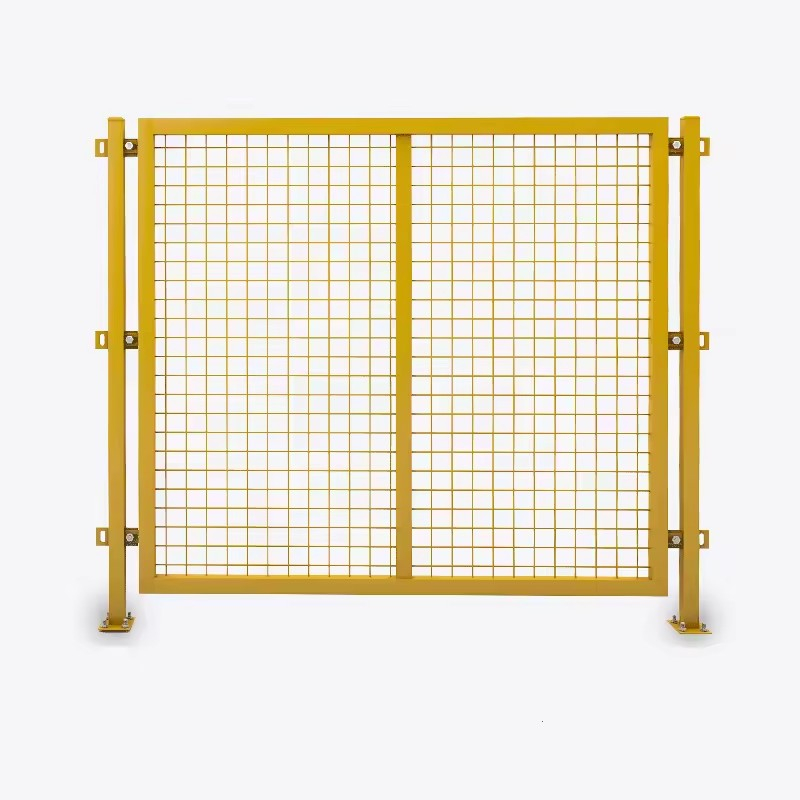
Wire mesh is widely used across construction and industrial sectors. In construction, welded mesh reinforces concrete slabs, walls, and roads, improving structural integrity. It also serves as fencing, security barriers, and scaffolding safety nets. Woven mesh finds use in filtration, screening, and sieving processes in manufacturing and food processing. It also appears in automotive parts, conveyor belts, and protective guards for machinery. Agricultural uses include animal enclosures and crop protection. Its versatility and strength make wire mesh essential for many industrial applications.
Comparing Perforated Sheets and Wire Mesh
Strength and Structural Integrity
Perforated sheets start as solid metal, so they often have better inherent strength. The unpunched border around edges adds stability, allowing them to stand alone without extra framing. However, punching holes removes metal, which weakens the sheet depending on hole size and spacing. Thicker sheets and smaller holes improve toughness.
Wire mesh gains strength from its woven or welded wire patterns. Welded mesh is rigid due to fusion at intersections, making it ideal for heavy-duty support. Woven mesh is more flexible but still durable, bending without breaking. Unlike perforated sheets, wire mesh usually needs a frame for stability since it lacks a solid border.
Versatility and Adaptability
Perforated sheets offer immense versatility in hole shapes, sizes, and patterns. They can be customized for airflow, filtration, light diffusion, or decorative effects. This flexibility suits many industries, from architecture to manufacturing.
Wire mesh is versatile in wire diameter, mesh opening, and weave style but less so in hole shape. It adapts well for filtration, reinforcement, fencing, and screening. Welded mesh suits rigid applications; woven mesh fits needs requiring flexibility.
Aesthetic Appeal and Design Options
Perforated sheets provide more design freedom and can be finished with sleek, modern looks. Their patterns can be artistic or functional, making them popular for decorative panels, facades, and furniture.
Wire mesh has a more industrial appearance. While it can be used decoratively, its design options are limited compared to perforated sheets. Its strength and utility often outweigh aesthetic concerns in most projects.
Choosing the Right Material for Your Project
Factors to consider: application, environment, and cost
Selecting between perforated sheets and wire mesh starts by understanding your project's needs. Ask yourself: What will the material be used for? Will it face harsh weather or corrosive environments? How much budget is available?
● Application: For filtering or screening, wire mesh often offers better open area and flexibility. Perforated sheets excel when precise hole patterns or decorative designs are needed.
● Environment: Stainless steel perforated sheets resist corrosion well in outdoor or chemical settings. Wire mesh, especially stainless or galvanized, also handles exposure but may require framing for support.
● Cost: Perforated sheets may cost more upfront due to scrap metal from punching. Wire mesh can be more affordable, especially woven types, but may need extra framing or welding, adding to costs.
Benefits of using perforated sheets
Perforated sheets bring several advantages:
● Design flexibility: Custom hole shapes and patterns suit airflow, light diffusion, or aesthetics.
● Strength: Solid metal base with unpunched borders allows standalone use without extra framing.
● Durability: Thick gauges and corrosion-resistant metals provide long-lasting performance.
● Integrated features: Handles or mounting points can be punched directly, simplifying fabrication.
These benefits make perforated sheets ideal for architectural panels, soundproofing, or decorative facades.
Advantages of selecting wire mesh
Wire mesh offers unique strengths:
● Flexibility: Woven mesh bends easily, fitting curved surfaces or complex shapes.
● High open area: Wire spacing can maximize airflow or liquid drainage.
● Strength: Welded mesh provides rigid support, perfect for reinforcement or security fencing.
● Cost-effectiveness: Less scrap waste during production can reduce material expenses.
Wire mesh suits construction reinforcement, filtration, and industrial screening where adaptability and durability are key.
Cost Considerations
Production costs of perforated sheets
Perforated sheets involve a punching process that removes metal to create holes. This removal generates scrap, which, although recyclable, adds to material costs. Larger or more numerous holes increase scrap volume, pushing up expenses. The punching machines and tooling for custom hole shapes or intricate patterns may also raise production costs. Thicker metals and corrosion-resistant materials like stainless steel typically cost more but offer durability benefits. Additionally, finishing processes such as powder coating or anodizing add to the total price. Overall, perforated sheets tend to have higher upfront costs due to material waste and specialized manufacturing steps.
Cost implications of wire mesh
Wire mesh production usually involves weaving or welding wires, resulting in minimal scrap metal. This efficient use of material often makes wire mesh more cost-effective initially. Welded mesh requires precise welding at intersections, which can increase labor or machine time costs. Woven mesh, resembling fabric, demands complex weaving machinery but still produces little waste. The choice of wire diameter, material type, and mesh opening size also affects price. For example, stainless steel wire mesh costs more than mild steel but offers better corrosion resistance. While wire mesh can be less expensive per square foot, additional framing or support structures may be necessary, adding to installation costs.
Long-term investment and maintenance
When considering long-term value, durability and maintenance are crucial. Perforated sheets, especially those made from thick stainless steel, resist corrosion and wear, reducing replacement frequency. Their solid borders provide stability without extra framing, lowering maintenance costs. Wire mesh, while durable, may sag or deform over time without proper support. Welded mesh offers rigidity, but woven mesh's flexibility can lead to shape changes under stress. Both materials benefit from protective coatings to extend lifespan. Maintenance needs vary by environment; harsh conditions may require more frequent inspections or treatments. Factoring in these aspects helps determine the most cost-effective option over a product's life cycle.
Evaluate both initial production costs and long-term maintenance expenses to choose the most economical material for your project's specific needs.
Conclusion
Perforated sheets offer design flexibility with customizable hole patterns, while wire mesh provides strength and adaptability with minimal scrap. When choosing materials, consider the application, environmental conditions, and budget. Selecting the right material ensures project success. Shengteng International Trading provides high-quality perforated sheets and wire mesh products, offering durability and versatility for various applications. Their expertise and commitment to quality make them a reliable choice for your material needs.
FAQ
Q: What is a perforated mesh perforated sheet?
A: A perforated mesh perforated sheet is a solid metal plate with holes punched in specific patterns, offering customization in hole sizes and shapes for various applications.
Q: How is a perforated mesh perforated sheet used in industries?
A: Perforated mesh perforated sheets are used in construction for sunshades and facades, in manufacturing for filtration and protection, and in the food industry for screens and trays.
Q: Why choose perforated mesh perforated sheets over wire mesh?
A: Perforated mesh perforated sheets offer design flexibility, strength, and standalone stability, making them ideal for decorative and functional applications without extra framing.


