What Is Galvanized Steel Mesh Used For?
Views: 0 Author: Site Editor Publish Time: 2025-10-17 Origin: Site


Ever wondered how structures withstand harsh weather? The secret often lies in galvanized steel mesh. This material is crucial for durability and corrosion resistance. In this post, you'll learn what galvanized steel mesh is, its importance, and the benefits it offers across various applications.
Understanding Galvanization
What is Galvanization?
Galvanization is a process that coats steel with a layer of zinc. This zinc layer acts as a shield, protecting the steel from rust and corrosion. Steel alone tends to corrode when exposed to moisture and oxygen, but zinc creates a barrier that keeps these elements away from the metal beneath.
The most common way to galvanize steel mesh is by dipping it into molten zinc. This method, called hot-dip galvanizing, forms a strong bond between the zinc and the steel. Another method is electro-galvanization, where zinc is applied using an electrical current. This usually results in a thinner coating.
How Galvanization Protects Steel Mesh
The zinc coating protects steel mesh in two main ways:
1. Barrier Protection: It physically blocks moisture and oxygen from reaching the steel, preventing rust.
2. Cathodic Protection: If the zinc coating gets scratched or damaged, the zinc around the exposed steel will corrode first, protecting the steel itself. This sacrificial action helps extend the mesh's life even when damaged.
Because of this dual protection, galvanized steel mesh lasts much longer than untreated steel, especially outdoors or in humid environments.
Hot-Dip vs. Electro-Galvanization
● Hot-Dip Galvanization: The mesh is dipped in molten zinc, creating a thick, durable coating. This makes the mesh highly resistant to corrosion and ideal for harsh environments. The coating is generally rougher and thicker, which can add strength and longevity.
● Electro-Galvanization: Zinc is applied through an electrical process, resulting in a thinner, smoother coating. This method is often used when appearance matters or for lighter corrosion protection. However, it wears down faster in tough conditions.
In summary, hot-dip galvanizing offers superior protection and is preferred for outdoor or heavy-duty applications. Electro-galvanizing suits indoor or less demanding uses.
Tip: For outdoor or industrial projects, choose hot-dip galvanized steel mesh for longer-lasting corrosion resistance and durability.
Key Applications of Galvanized Steel Mesh
Galvanized steel mesh is a versatile material used across many industries thanks to its strength, durability, and corrosion resistance. Here are some of the key applications where galvanized steel mesh plays a vital role:
Construction and Architecture
In construction, galvanized steel mesh is often used for reinforcing concrete structures. It provides additional strength to foundations, walls, and slabs, helping prevent cracking and structural failure. The mesh also serves as a lath for plaster or stucco, supporting the material while allowing it to bond securely.
Architects use galvanized expanded metal mesh as decorative facades or sunshades. Its industrial look adds aesthetic appeal while providing ventilation and light filtration. Because the zinc coating resists rust, it’s ideal for exterior applications exposed to weather.
Fencing and Security
Galvanized steel mesh is a popular choice for fencing around homes, commercial properties, and industrial sites. Its corrosion resistance ensures the fence lasts through harsh weather without frequent maintenance. The mesh can be woven tightly for privacy or left more open for visibility and airflow.
Security fences often incorporate galvanized mesh to deter intruders. It’s strong enough to resist cutting or climbing attempts, making it suitable for prisons, military bases, and secured warehouses. The mesh can also be combined with barbed wire or razor wire for added protection.
Automotive Industry
Many automotive components use galvanized steel mesh for durability and corrosion protection. It's often found in vehicle grilles, underbody shields, and air intake screens. The mesh protects critical parts from debris, insects, and damage while allowing airflow for cooling.
Galvanized mesh is also used in manufacturing processes such as filtration and separation within automotive systems. Its ability to withstand harsh environments helps maintain vehicle performance and longevity.
HVAC Systems
Heating, ventilation, and air conditioning (HVAC) systems rely on galvanized steel mesh for air filters, duct guards, and protective screens. The mesh prevents debris and pests from entering ducts, ensuring clean airflow.
Its corrosion resistance is crucial because HVAC components often operate in humid or moist environments. Using galvanized mesh extends system life and reduces maintenance costs by preventing rust and clogging.
Benefits of Using Galvanized Steel Mesh
Galvanized steel mesh offers several key advantages that make it a top choice across many industries. Its benefits mainly stem from the protective zinc coating applied during galvanization. Let’s explore the main benefits:
Corrosion Resistance
One of the biggest advantages of galvanized steel mesh is its strong resistance to corrosion. The zinc coating acts as a shield, stopping moisture and oxygen from reaching the steel underneath. This prevents rust from forming, especially in outdoor or humid environments. Even if the coating gets scratched, the zinc still protects the exposed steel through a process called cathodic protection, where zinc corrodes first, saving the steel mesh from damage.
This corrosion resistance means the mesh can be used in harsh weather or industrial settings without degrading quickly. It’s ideal for applications exposed to rain, humidity, or chemicals.
Durability and Longevity
Thanks to galvanization, steel mesh becomes much more durable. The zinc layer adds toughness and protects the mesh from wear and tear, extending its lifespan significantly compared to non-galvanized steel. This durability makes it suitable for heavy-duty uses like construction reinforcement, fencing, and industrial platforms.
Galvanized mesh withstands impacts, abrasion, and environmental stress better. It requires less frequent replacement, which is important for projects needing long-term reliability.
Cost-effectiveness
Galvanized steel mesh provides excellent value for money. Although it may cost more upfront than plain steel mesh, its long lifespan and low maintenance needs make it more economical over time. You save on repair, replacement, and upkeep costs.
Compared to other corrosion-resistant materials like stainless steel, galvanized steel mesh is generally more affordable while still offering strong protection. This balance of cost and performance makes it popular for both commercial and DIY projects.
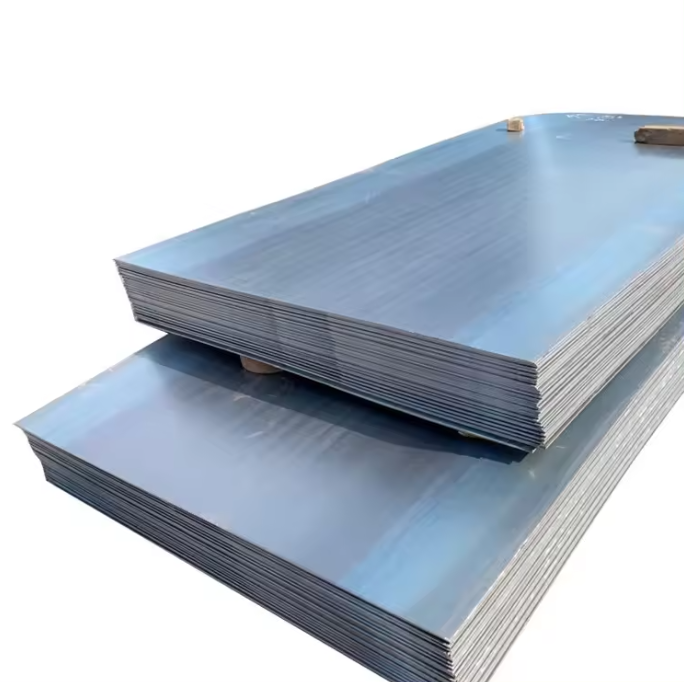
Outdoor Uses of Galvanized Wire Mesh
Galvanized wire mesh is a top pick for many outdoor projects. Its zinc coating protects it from rust, making it last longer even in harsh weather. Here are some popular outdoor uses:
Fencing and Enclosures
Galvanized mesh is perfect for fences around yards, gardens, or commercial spaces. It keeps pets safe inside and unwanted animals out. The mesh can be attached to wood or metal frames, creating strong, long-lasting barriers. Its corrosion resistance means it won't weaken or rust after rain or snow.
Security fences also use galvanized mesh. It's tough enough to stop intruders or wildlife from getting through. For extra protection, it can be combined with barbed or razor wire.
Compost Bins and Pest Control
DIY compost bins made from galvanized mesh are durable and breathable. The mesh allows air flow, which helps organic waste break down faster. You can make bins in various sizes by bending and securing mesh panels.
For pest control, galvanized mesh works well as a barrier against burrowing animals. It can be placed underground around gardens or firewood piles to keep out rodents, snakes, and other critters. Screens over vents and soffits also stop pests from entering homes.
Tree Guards and Garden Structures
Trees often get damaged by deer rubbing antlers or rodents chewing bark. Wrapping galvanized mesh around trunks protects them from harm. These guards are sturdy, easy to install, and reusable for several years.
Gardeners use galvanized mesh to build cages, cloches, and trellises. These structures protect seedlings and support climbing plants like beans or roses. The mesh’s strength and weather resistance make it ideal for outdoor growing spaces.
Industrial and DIY Applications
Galvanized steel mesh is a favorite in industrial and DIY circles because it combines strength, corrosion resistance, and versatility. Whether used for heavy-duty industrial platforms or creative home projects, galvanized mesh delivers reliable performance and durability.
Industrial Platforms and Walkways
In industrial settings, safety and durability are top priorities. Galvanized steel mesh is often used to build platforms, walkways, and stairs in factories, warehouses, and plants. Its corrosion resistance ensures the mesh won’t rust even in humid or chemically aggressive environments. The open mesh design allows liquids and debris to fall through, reducing slip hazards and making cleaning easier.
The toughness of galvanized mesh supports heavy loads, making it ideal for areas where workers stand or equipment is stored. It’s also easy to customize sizes and patterns to fit specific industrial needs, ensuring safety and efficiency.
DIY Projects and Crafting
For DIY enthusiasts, galvanized steel mesh offers endless creative possibilities. Its rigidity and weather resistance make it perfect for garden projects like trellises, cages, or compost bins. You can cut, bend, and shape the mesh to suit your needs without worrying about rust or deterioration.
Artists and crafters also use galvanized mesh as a base for sculptures, decorative panels, or even furniture accents. Its industrial look adds character and durability to handmade pieces. Plus, it's affordable and widely available, making it accessible for hobbyists and small businesses.
Custom Wire Mesh Solutions
Sometimes, off-the-shelf mesh doesn't meet specific project requirements. Custom wire mesh solutions allow tailoring mesh size, thickness, and coating type for unique industrial or DIY applications.
Manufacturers can produce galvanized mesh with specific wire gauges or mesh openings to suit filtration, screening, or reinforcement needs. Customization ensures optimal performance, whether for heavy machinery guards, architectural features, or specialized craft projects.
These tailored options expand galvanized steel mesh's usability, making it adaptable across many sectors and creative endeavors.
Challenges and Considerations
When choosing galvanized steel mesh, it's important to understand some potential drawbacks and factors that affect its performance. While galvanized mesh offers excellent corrosion resistance and durability, no material is perfect. Here are key challenges and considerations to keep in mind:
Potential Drawbacks of Galvanized Wire Mesh
● Coating Wear Over Time: The zinc layer protects steel, but it can wear off eventually, especially in harsh environments. Once the zinc is gone, the steel underneath can rust.
● Reduced Strength Compared to Stainless Steel: Galvanized steel mesh is strong but not as strong or corrosion-resistant as stainless steel. For extremely demanding applications, stainless might be better.
● Appearance Changes: The zinc coating may dull or discolor over time, which can affect aesthetics in visible architectural uses.
● Limited Protection in Extreme Environments: In highly acidic, alkaline, or salty conditions (e.g., marine exposure), galvanized mesh may corrode faster than expected.
Environmental Factors Affecting Durability
● Salt Exposure: Coastal areas with salt spray accelerate zinc corrosion, reducing the mesh's protective life.
● Pollution and Chemicals: Industrial pollution or chemical exposure can degrade the zinc coating.
● Humidity and Temperature: High humidity combined with heat speeds up corrosion processes.
● Physical Damage: Scratches or impacts can break the zinc coating, exposing steel to rust.
Understanding these factors helps in selecting the right type of galvanized mesh and planning maintenance schedules.
Installation and Maintenance Tips
● Proper Handling: Avoid damaging the zinc coating during transport and installation. Scratches reduce protection.
● Use Compatible Fasteners: Stainless steel or galvanized fasteners prevent galvanic corrosion.
● Regular Inspections: Check fences, panels, or structures periodically for signs of wear, rust, or damage.
● Touch-Up Coating: Apply zinc-rich paint or cold galvanizing spray on scratched areas to restore protection.
● Cleaning: Remove dirt, debris, and salts to minimize corrosion risk, especially in coastal or industrial areas.
● Consider Environment: For aggressive environments, choose hot-dip galvanized mesh with thicker zinc coatings or consider alternative materials.
Conclusion
Galvanized steel mesh is widely used for construction, fencing, automotive, and HVAC systems due to its durability and corrosion resistance. Its benefits include long-lasting protection and cost-effectiveness. Choosing the right type, such as hot-dip or electro-galvanized, depends on the application and environmental conditions. For reliable and high-quality galvanized steel mesh, consider Shengteng International Trading, which offers products that provide exceptional value and performance for various industrial and DIY applications.
FAQ
Q: What is galvanized steel mesh used for?
A: Galvanized steel mesh is used in construction, fencing, automotive, HVAC systems, and outdoor projects due to its strength, durability, and corrosion resistance.
Q: How does galvanized steel mesh prevent rust?
A: The zinc coating on galvanized steel mesh provides barrier and cathodic protection, preventing rust by keeping moisture and oxygen away from the steel.
Q: Why choose galvanized steel mesh over other materials?
A: Galvanized steel mesh offers cost-effective corrosion resistance and durability, making it ideal for outdoor and industrial applications compared to plain steel.
Q: What is the cost of galvanized steel mesh?
A: While initially more expensive than plain steel, galvanized steel mesh is cost-effective over time due to its longevity and low maintenance needs.
Q: How does hot-dip galvanization differ from electro-galvanization for steel mesh?
A: Hot-dip galvanization creates a thicker, more durable zinc coating, ideal for harsh environments, while electro-galvanization offers a thinner, smoother finish for lighter applications.


